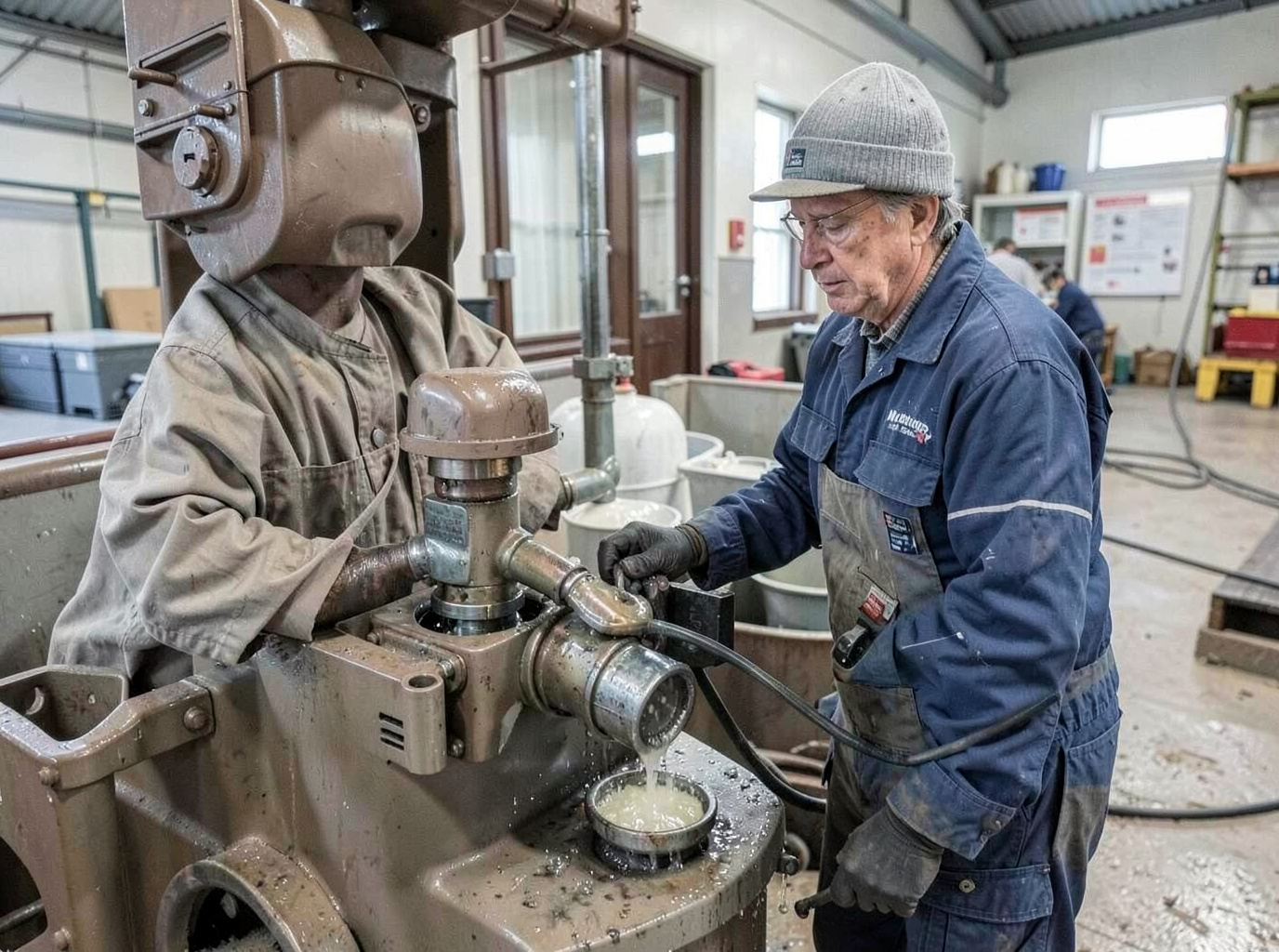
In Meridian homes built before 1990 around South Meridian and Cherry Lane, water often pools in crawlspaces because of the clay-heavy soil common in Ada County. Extraction requires submersible pumps with enough lift to clear standing water without disturbing insulation or joists that support hardwood floors above. Cold winters bring frozen supply lines that burst when temperatures rise, sending water into finished basements near Julius M. Kleiner Memorial Park; technicians must map moisture migration through brick foundations before extraction begins or hidden pockets remain.
Hot dry summers followed by sudden irrigation runoff from nearby farms can overwhelm older French drains in West Meridian and Ten Mile properties. Extraction crews use truck-mounted units rated for 200-plus gallons per minute to stay ahead of inflow while protecting electrical panels common in 1970s ranch houses. Failure to extract within the first four hours allows tannins from local soil to stain maple and oak flooring, which is why crews prioritize negative-pressure containment before pumps start.
After extraction, crews check for trapped water behind baseboards and under built-in cabinetry typical in North Meridian kitchens. Portable extractors with crevice tools reach these voids without cutting drywall, preserving the original plaster in homes near Meridian City Hall. Skipping this step leads to mold growth once summer heat returns and humidity spikes inside sealed crawlspaces.
Technician insight
In Meridian the thing that catches most people out with Water Extraction is how fast snow melt from cold winters soaks into the clay soil under 1970s foundations around Cherry Lane and Ten Mile, trapping water against joists that support original hardwood.
North Meridian Pipe Burst
A supply line froze and burst in a 1978 ranch near Settlers Park. Water reached three inches deep in the crawlspace and wicked into the oak floor above. Crews set containment, pumped out the water with a submersible unit, then used edge extractors under the flooring. Follow-up meter checks showed the joists dried without cupping.
Water Extraction Services We Offer
✓Crawlspace Water Extraction
Removes standing water from under older Meridian homes where clay soil holds moisture against floor joists.
✓Hardwood Floor Water Extraction
Pulls water from beneath tongue-and-groove flooring to limit cupping in North Meridian and Downtown Meridian properties.
✓Basement Flood Extraction
Clears deep water from finished basements after winter pipe bursts common in South Meridian neighborhoods.
✓Carpet and Pad Extraction
Extracts water from wall-to-wall carpet before pads mold in Ten Mile and Lake Hazel homes.
✓Emergency Sump Pump Extraction
Handles overflow when sump systems fail during spring snow melt around Cherry Lane and West Meridian.
Water Extraction Cost in Meridian, ID
| Service | Typical Range | What Affects It |
|---|---|---|
| Crawlspace extraction | $450–$850 | Higher when clay soil and low clearance slow pump placement |
| Basement water removal | $600–$1,200 | Depends on finished vs unfinished space and electrical hazards |
| Hardwood floor extraction | $350–$700 | Includes edge work to prevent cupping in local maple and oak |
| Carpet and pad extraction | $200–$450 | Lower for small rooms, higher if pad is glued down |
Ranges are typical for Meridian, ID and confirmed with an exact written quote before any work starts.
How it works
- 1
Site Assessment
Technicians inspect water depth, soil type, and access points in crawlspaces or basements typical of Meridian housing stock.
- 2
Containment Setup
Plastic barriers and negative air are placed to keep moisture from spreading to unaffected rooms.
- 3
Pumping And Extraction
Industrial pumps and wands remove bulk water while crews monitor for hidden pockets behind walls.
- 4
Moisture Verification
Meters confirm dryness levels in joists and subfloors before equipment is removed.
Pricing
Cost varies with water volume, access difficulty in older Ada County crawlspaces, and whether hardwood floors are involved.