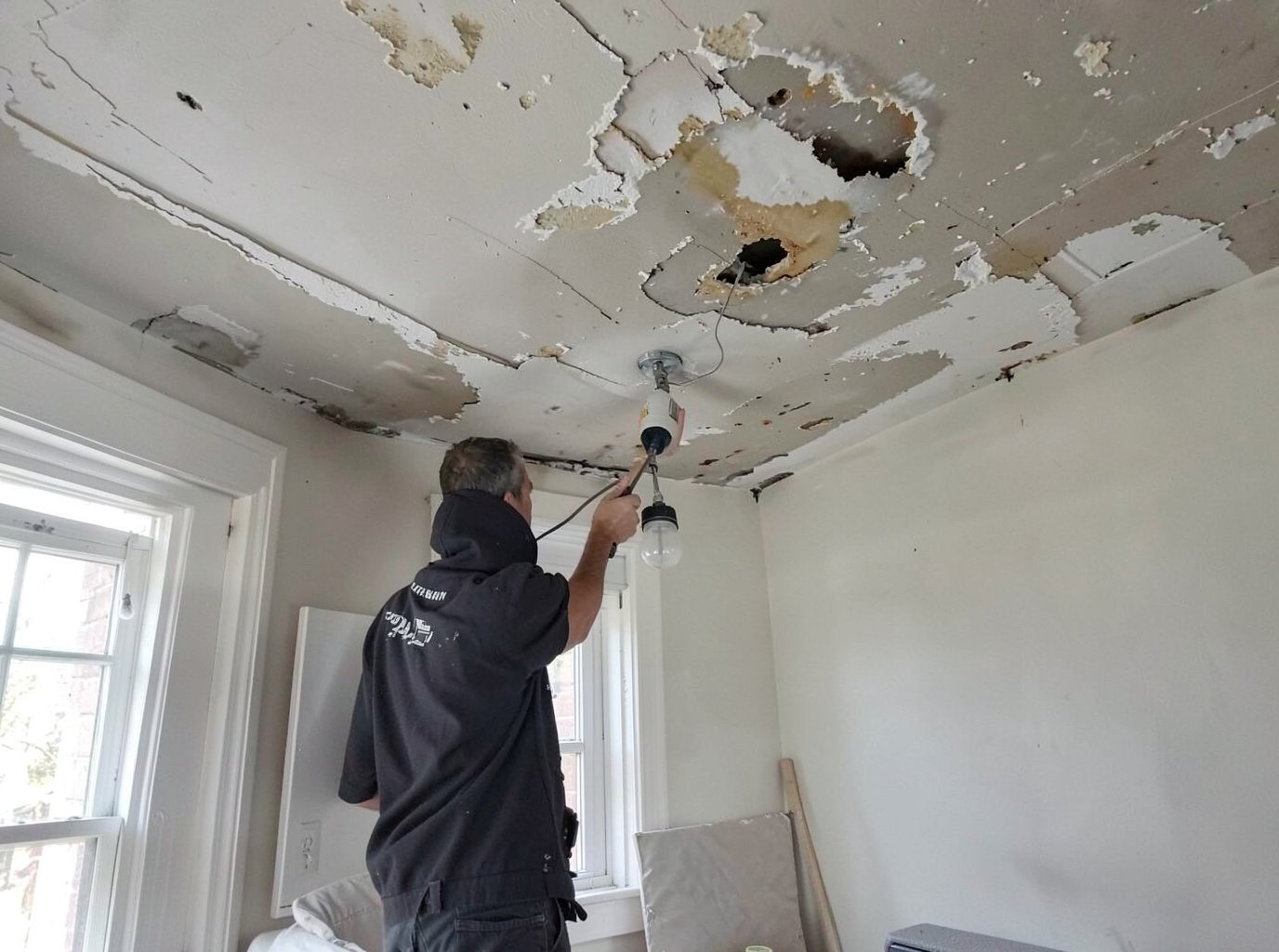
Garden City sits right along the Boise River with many homes built in the 1960s through 1980s on smaller lots that back up to the greenbelt or irrigation canals. When heavy snowmelt or sudden storms hit, water finds its way into crawlspaces and older slab foundations faster than in newer Meridian subdivisions. Idaho Wood Floor & Water Damage Restoration sends crews straight up Chinden Boulevard or Eagle Road to reach these properties the same day.
Winter pipe bursts are common here because many Garden City houses still have original galvanized lines running through unheated garages and exterior walls. Once temperatures drop, we see repeated calls from streets like 36th and 44th where water spreads under hardwood floors before homeowners notice. Our team extracts standing water, sets drying equipment, and checks for hidden moisture along the river corridor where humidity stays higher than in drier North Meridian neighborhoods.
Summer irrigation leaks from old ditch systems or over-watered yards also create steady work. We track water migration across the flat lots typical in Garden City and pull carpet or lift baseboards before mold sets in the warm months.
Around Garden City, ID
We regularly work near:
- 📍Chinden Boulevard
- 📍Boise River Greenbelt
- 📍Garden City Park
- 📍Eagle Road
- 📍36th Street
- 📍Pierce Park
Water Damage Restoration in Garden City, ID — Local Notes
- •Many Garden City homes sit on narrow lots with limited side access, so equipment must come through front doors or back gates along the greenbelt.
- •Proximity to the Boise River means higher groundwater after snowmelt, requiring extra moisture mapping under slabs on streets closest to the water.
- •Older housing stock from the 1970s often has hardwood over particleboard subfloors that delaminate quickly when river or irrigation water enters.
- •Cold winters bring more freeze-related claims here than in Caldwell or Nampa because river humidity keeps pipes closer to freezing even on milder nights.